For every young Indian who looks at artificial intelligence and sees a doorway, there is another who feels the ground shifting under carefully built skills. That quiet tension is no longer theoretical. It is the defining pressure of this generation.
Artificial intelligence has left the laboratory. It is already inside classrooms, offices, studios, start-ups and the decisions that shape daily life. The question is no longer whether AI will change the future. The question is what kind of future it will insist upon and whether the young people entering that future will still recognise their own place in it.
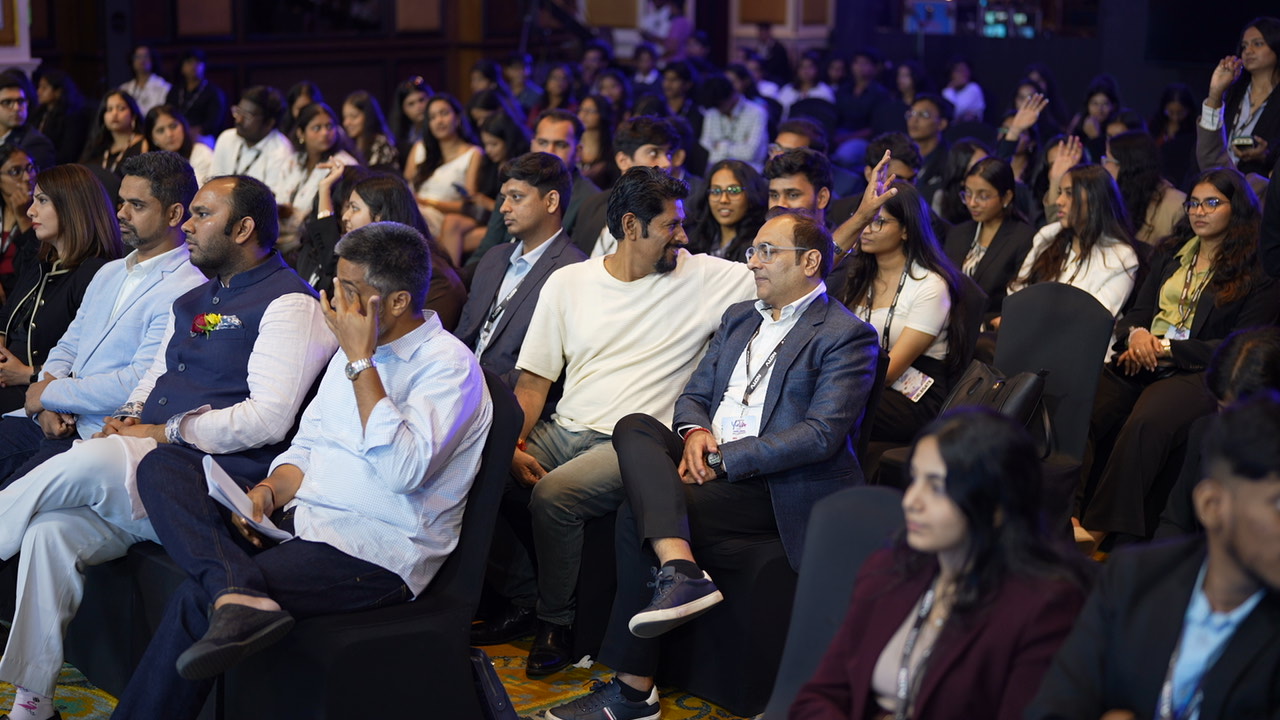
This question took centre stage at NDTV Yuva 2026 Presented By ITW Universe in the conversation titled “AI Boom Vs Doom.” Educators, technologists and voices from social impact sat together not to celebrate the machine, but to examine what the machine is doing to the idea of human work.
Young Indians are stepping into the workforce at a moment when the very meaning of skill is being rewritten. Writing, designing, researching, coding, analysing information, creating content tasks that once demanded hours of human labour can now be completed in moments. The speed is exhilarating. It is also unsettling.
History offers a quieter lesson. The internet did not end communication. Social media did not erase storytelling. The smartphone did not make creativity obsolete. Each wave changed who could participate, how quickly they could act, and which abilities suddenly mattered more. AI is repeating the pattern, only faster and with greater reach.
For a student with limited means, sophisticated tools are suddenly within reach. For a young entrepreneur, work that once required a team can be automated. For a creator, the space to experiment expands. For a professional, the same technology can amplify what they already know how to do.
Yet the anxiety is equally honest. If machines grow steadily better at sophisticated tasks, what remains distinctly human?
The difference may lie in a distinction too often ignored: intelligence is not the same as judgement. AI can generate information. It cannot decide what deserves weight. It can offer possibilities. It does not automatically grasp consequences. It can imitate a voice. It cannot carry the life that gave that voice its meaning.
The workforce of the coming decade is unlikely to split cleanly between those who know AI and those who do not. It is more likely to divide between those who use technology as a mechanical extension and those who know how to combine it with judgement, empathy, curiosity and responsibility. That is a human test, not a technical one.
Machines will grow more powerful. That much is already clear. The harder question is whether people will grow wiser about the power they are placing in their hands.
For India’s young generation, this conversation cannot wait for the next five-year plan. The future is not approaching on a schedule. It is already here, moving faster than most institutions are prepared to admit.
What remains is the choice of what kind of human beings will meet it.